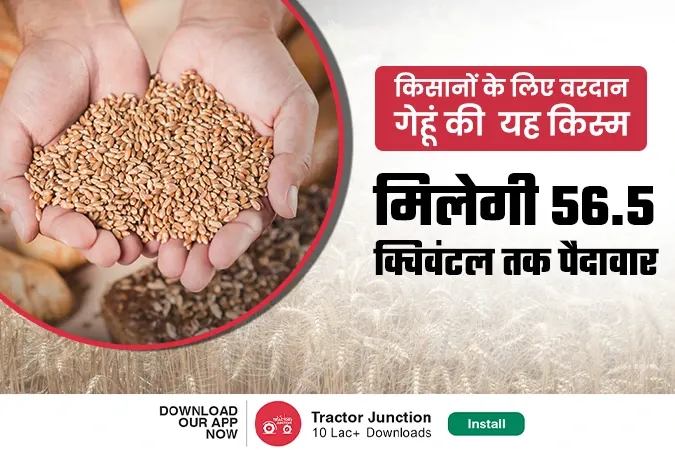
Commercial agriculture is a type of farming in which crops are grown from an economic/commercial point of view. In commercial farming, commercial crops are grown with the latest technology, agricultural machinery, manure, seed and chemical fertilisers on a large area for mass production. Commercial Farming Business is considered one of the successful and profitable businesses in India.
Large-scale commercial farming is practiced in India due to its high demand. Though profitable, it carries risks, such as fluctuating market prices and environmental challenges like droughts or floods. This can impact overall production and profitability.
What are the Types of Commercial Farming?
Commercial agriculture farming can be mainly divided into five categories.
- Commercial Grain Farming: In this method, farmers cultivate grain over a wide area and trade it in the market. Wheat, maize, cotton, tobacco, and sugarcane are the main commercial grain crops.
- Plantation Farming: This type of farming involves the large-scale cultivation of commercial crops that require long growing periods and specific climates. The major commercial crops in plantation farming are coconut, tea, coffee, cocoa, rubber, gum, banana, etc.
- Mixed Farming: The Mixed farming system includes the cultivation of crops and animal husbandry. Crops like maize, oats, and barley are grown as fodder for livestock.
- Intensive Commercial Farming: This type of Commercial farming focuses on getting high output from a small area using more labour, fertilisers, and modern tools. It's common near cities where land is limited but demand is high.
- Extensive Commercial Farming: This method is done on large land areas with less input per acre. It relies more on machines and is used where land is easily available and affordable.
Top Indian States Practicing Commercial Farming:
The following states are known for large-scale commercial agriculture, producing major crops like wheat, rice, cotton, and sugarcane.
| Punjab |
West Bengal |
| Maharashtra |
Uttar Pradesh |
| Haryana |
Bihar |
| Tamil Nadu |
- |
Advantages of Commercial Farming:
Commercial farming offers several benefits that help increase productivity and profit. With large-scale production, it helps meet the growing demand for crops, both locally and globally. Additionally, it creates job opportunities and supports economic growth in rural areas. Here are some of the benefits of this farming:
| Benefits of Commercial Agriculture |
| Boosts agricultural productivity |
Creates employment opportunities in rural areas |
| Supports global trade and export markets |
Promotes technological advancements in farming |
Major Commercial Crop Information on TractorJunction
On Tractor Junction, you’ll find information about major crops, farming seasons, news, and updates on commercial farming in India. Here, you can explore the commercial farming system, its methods, advantages, and farming techniques.