Kharif - Farming, Crops, Varieties, News

Farmers grow kharif crops when the monsoon begins, as these crops need rain to grow well. The kharif crop months are June, July, August, September and October. Sowing starts in June, followed by growth during the rainy months.

Read More

After that, farmers harvest them between September and October. Common kharif crops include rice, maize, millet, cotton, and soybeans. Since these crops need rain and warm weather to grow well, monsoon rains play a big role in their production.

Read Less

More Agriculture Sub Category

Kharif Crop News

Agriculture News

वैज्ञानिकों ने विकसित की अधिक चारा उत्पादन देने वाली 3 नई मक्का किस्में, पशुपालकों को होगा लाभ

calender icon 06 November, 2026
Read News btn arrow

Agriculture News

खरीफ फसल के रजिस्ट्रेशन का फिर मिला मौका, MFMB पोर्टल फिर खुला

calender icon 21 September, 2026
Read News btn arrow

Agriculture News

इस तारीख से शुरू होगी एमएसपी पर मूंग की खरीद, जानें फसलों का क्या मिलेगा भाव

calender icon 18 September, 2026
Read News btn arrow

Agriculture News

खाद वितरण के लिए स्मार्ट टोकन व्यवस्था लागू, अब तय समय पर मिलेगा उर्वरक

calender icon 03 August, 2026
Read News btn arrow

Agriculture News

किसानों के लिए खुशखबरी, पीएम फसल बीमा योजना में आवेदन की अंतिम तारीख बढ़ाई

calender icon 31 July, 2026
Read News btn arrow

Agriculture News

मूंग की MSP पर खरीद की तारीख बढ़ाई, अब किसानों से होगी 60% तक मूंग की खरीद

calender icon 30 July, 2026
Read News btn arrow

Agriculture News

खरीफ सीजन में किसानों को नहीं होगी खाद की कमी, सरकार ने जारी की मंडलवार खाद स्टॉक लिस्ट

calender icon 30 July, 2026
Read News btn arrow

Agriculture News

बाजरा की उन्नत किस्म RHB-233: 70-80 दिन में तैयार, देगी 35 क्विंटल तक पैदावार

calender icon 30 June, 2026
Read News btn arrow

Agriculture News

कम पानी में बंपर पैदावार देने वाली टॉप 5 फसलें, कम लागत में बेहतर मुनाफा

calender icon 25 June, 2026
Read News btn arrow

Agriculture News

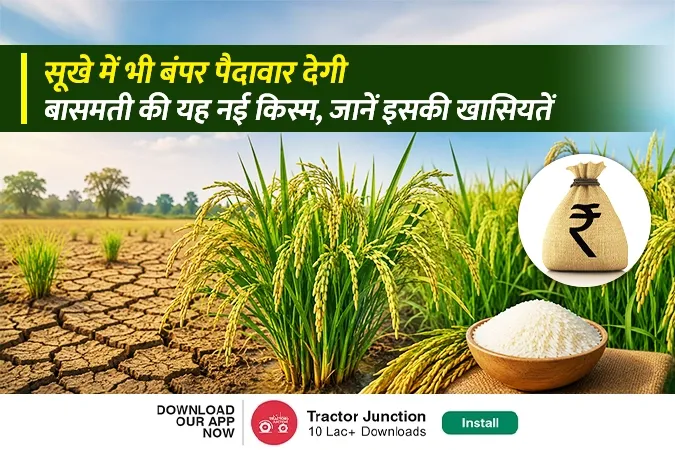
सूखे में भी बंपर पैदावार देगी बासमती की यह नई किस्म, कम पानी में मिलेगा ज्यादा उत्पादन

calender icon 22 June, 2026
Read News btn arrow

Agriculture News

अच्छी पैदावार के लिए सोयाबीन की बुआई कब शुरू करें

calender icon 15 June, 2026
Read News btn arrow

Agriculture News

खरीफ फसलों की बुवाई का सही समय और बीज दर: किसानों के लिए महत्वपूर्ण जानकारी

calender icon 14 June, 2026
Read News btn arrow

Agriculture News

बारिश कम होने पर कौन-सी फसल बोएं?

calender icon 13 June, 2026
Read News btn arrow

Agriculture News

धान, मक्का या सोयाबीन? जानें इस साल किस फसल में है ज्यादा फायदा

calender icon 10 June, 2026
Read News btn arrow

Agriculture News

MSP 2026-27: అన్ని పంటలకు కొత్త MSPను కేంద్ర ప్రభుత్వం ప్రకటించింది, పూర్తి జాబితాను ఇక్కడ చూడండి

calender icon 10 June, 2026
Read News btn arrow

Agriculture News

MSP 2026-27: அனைத்துப் பயிர்களுக்கும் புதிய யை MSP மத்திய அரசு அறிவித்துள்ளது; முழுப் பட்டியலை இங்கே காணலாம்.

calender icon 10 June, 2026
Read News btn arrow

Agriculture News

MSP २०२६-२७ : केंद्र सरकारने सर्व पिकांसाठी नवीन MSP जाहीर केली, येथे पाहा संपूर्ण यादी

calender icon 10 June, 2026
Read News btn arrow

Agriculture News

खरीफ की बुवाई से पहले किसान करें इस फसल की खेती, प्रति हेक्टेयर होगी 3 बोरी यूरिया की बचत

calender icon 06 June, 2026
Read News btn arrow

More Agriculture Category

Kharif Crop Cultivation in India

In India, Kharif crop cultivation begins with soil preparation before the monsoon. First, farmers plough fields, apply manure, and select high-yield seeds suited to local climates. As the Kharif season progresses, they rely on monsoon rains. However, in some regions, they also use rainwater harvesting and canal irrigation to manage water. Furthermore, connectivity through mobile networks allows farmers to track weather and receive government advisories. It also helps them sell crops at better prices, ultimately improving efficiency and earnings.

When is the Kharif Season?

Kharif and Rabi crops are the two main crop categories in India, with Kharif being the primary monsoon crop. The Kharif season begins with the arrival of monsoon rains in June or July, and harvesting takes place by October. These crops need warm temperatures and good rainfall during growth, followed by a dry period for ripening. Farmers rely on the right sowing time and proper water management to get a good yield.

In contrast, Rabi crops are sown in winter, between October and December, and harvested in spring. Unlike Kharif crops, they grow with the help of irrigation instead of rain. Understanding the difference between these two crop seasons helps farmers plan better for higher production.

List of Kharif Crops in India

Crops grown in Kharif Season are also called monsoon crops. Kharif crops include rice, maize, bajra, jowar, and ragi, which are major food grains. Pulses like moong, urad (black gram), and tur (pigeon pea) are also widely cultivated. Farmers grow oilseeds such as soybean, groundnut, castor, and sesame, along with cash crops like cotton, sugarcane and sunflower. These crops contribute significantly to India's agricultural economy.

Top Kharif Crops Producing States in India

Now that we understand the Kharif season, let's look at the major crops grown during this time. This crop production varies across India due to differences in climate and soil. Some states lead in growing specific Kharif crops based on suitable conditions. Below is a list of major states and the crops they produce.

States Crop
West Bengal, Uttar Pradesh, Punjab  Rice
Karnataka, Madhya Pradesh  Maize
Gujarat, Maharashtra Cotton
Madhya Pradesh, Rajasthan Soybean
Rajasthan, Maharashtra, Karnataka Millets (Bajra, Jowar) 
Madhya Pradesh, Uttar Pradesh ​​​​​​ Pulses (Moong, Urad)

Best Soil for Kharif Season Crops

Soil type is important for Kharif fasal as it affects growth and yield. Rice grows well in clayey soil because it holds water and keeps the field moist for a long time. On the other hand, maize and millet need sandy or loamy soil since it drains water quickly and prevents waterlogging.

Similarly, cotton requires black soil, which retains moisture for a long time and supports deep roots. Meanwhile, groundnut grows best in sandy loam soil as it allows roots to spread easily and improves pod development.
Before sowing, farmers conduct soil tests to check fertility and select suitable crops. Proper ploughing and organic matter application further improve soil health and boost yields.

Role of Fertilizers in Kharif Crop

Since heavy rainfall can wash away nutrients, farmers use fertilisers to maintain the Kharif crop’s soil fertility. Nitrogen fertilizers help rice and maize grow faster, while phosphorus and potassium strengthen roots in crops like soybean and pulses. 

Many farmers also rely on organic manure and compost, which improve soil structure and retain moisture. Balanced fertilizer use helps increase crop yields and keeps the soil healthy for future seasons.

Know More About Kharif Season Crops At Tractor Junction 

On our website, you can find answers to what is Kharif crop and can also explore the Kharif crops list. We provide information on the cultivation and planting season, helping farmers choose the right time for sowing.
You can also check updates on Kharif crop prices, weather conditions, and expert farming tips to improve yields and make better farming decisions.

Frequently Asked Questions About Kharif Crop

What is a Kharif crop?

Kharif crops are grown during the monsoon season, requiring rain for good growth.

When does the Kharif season start?

The Kharif season begins with the arrival of the monsoon, usually in June or July.

What are examples of Kharif season crops?

Examples include rice, maize, cotton, soybean, and pulses like green gram (moong daal) and black gram (urad daal).

How long is the Kharif season?

The Kharif season lasts from June to October, with crops being harvested by the end of October.

What is the difference between Kharif and Rabi season?

Kharif crops are grown in the rainy season (June to October), while Rabi crops are sown in winter (October to December).

Which states produce Kharif crops in India?

States like West Bengal, Uttar Pradesh, Punjab, and Maharashtra are major producers of Kharif crops.

What soil is best for Kharif crops?

Clayey soil is ideal for rice, while maize and millet grow well in sandy or loamy soil.

How can fertilizers help Kharif crops?

Fertilizers provide necessary nutrients, helping crops like rice and maize grow better during the Kharif season.

Quick Links

Search News

News Category

State Subsidy

Latest Posts

Popular Posts

Close
Call Now Request Call Back