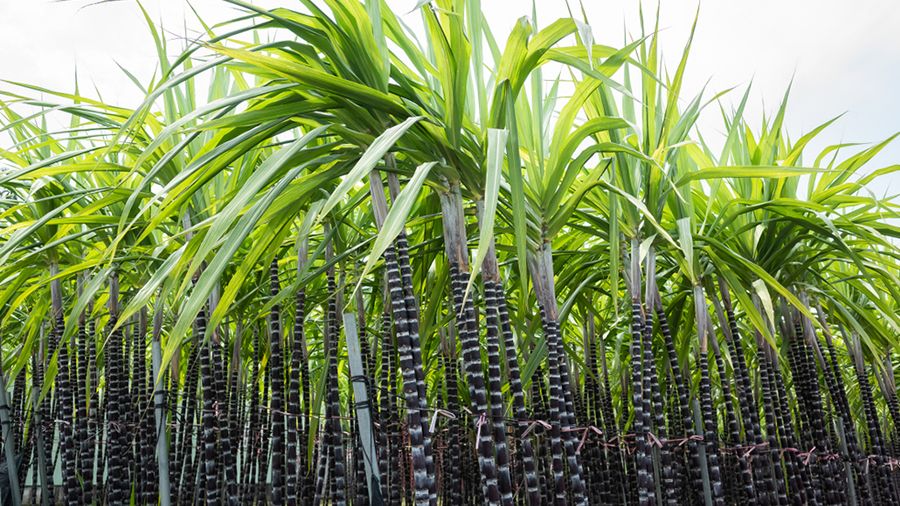
Sugarcane cultivation in India is not just about growing a crop—it's part of a larger shift in agriculture. With increasing demand in the sugar and ethanol sectors, it now links agriculture with energy generation. Ethanol made from sugarcane is helping reduce petrol use. This has opened new income sources for farmers. Along with strong market demand, government support has made sugarcane a crop of both economic and environmental value.
10 Leading Sugarcane Growing States in India:
Sugarcane is grown across many Indian states, but some contribute much more to the total production. In 2024, Uttar Pradesh led the country with over 177 million tons of sugarcane. Maharashtra and Karnataka followed in second and third place. These top states support the sugar, jaggery, and ethanol industries. Here’s a detailed look at the top 10 sugarcane-producing states:
| Rank |
State name |
Sugarcane production in million tons |
| 1 |
Uttar Pradesh |
177.43 |
| 2 |
Maharashtra |
113.37 |
| 3 |
Karnataka |
56.47 |
| 4 |
Gujarat |
17.44 |
| 5 |
Tamil Nadu |
14.53 |
| 6 |
Bihar |
Bihar |
| 7 |
Haryana |
8.75 |
| 8 |
Punjab |
7.51 |
| 9 |
Andhra Pradesh |
3.65 |
| 10 |
Uttarakhand |
3.52 |
Improved Sugarcane Varieties for Better Yield
Farmers can choose from early, mid, and late maturing sugarcane varieties to match their climate and harvesting schedule. Using improved varieties helps in boosting production and income. Here are some of the approved varieties:
Approved Early Maturing Varieties:
These sugarcane varieties mature in 9 to 10 months and give 320 to 360 quintals per acre. Popular ones include:
- Co. 7314
- Co. 64
- Co.C. 671
Approved Mid and Late Maturing Varieties:
These take around 12 to 14 months to mature, but give a higher yield:
- Co. 6304: 380 to 400 quintals per acre
- Co. 7318: 400 to 440 quintals per acre
- Co. 6217: 360 to 400 quintals per acre
New Early Maturing Improved Varieties:
These new sugarcane varieties combine early maturity with better yield:
- Co. 8209: 360 to 400 quintals per acre
- Co. 7704: 320 to 360 quintals per acre
- Co. 87008 and Co. 87010: 320 to 360 quintals per acre
- Co. Jawahar 86-141 and Co. Jawahar 86-572: 360 to 400 quintals per acre
They mature in 9 to 12 months, giving flexibility to farmers.
New Mid and Late Maturing Improved Varieties:
These give very high yield—up to 600 quintals per acre. They take 12 to 14 months to mature. Examples include:
- Co. Jawahar 94-141
- Co. Jawahar 86-600
- Co. Jawahar 86-2087
Ideal Soil for Sugarcane Cultivation
Loamy soil with good drainage is best for sugarcane farming. Black, yellow, and sandy soils are also suitable if drainage is proper. The soil should retain some moisture but must not stay waterlogged. A pH level between 6.5 and 7.5 is ideal for better crop growth.
Before sowing, farmers should do deep ploughing to loosen the soil and remove weeds or stones. Adding compost or well-rotted manure improves soil fertility. Moist, fertile soil helps in better root development and cane formation. Open fields with full sunlight are best, as sugarcane plant needs warmth and light for faster growth.
Ideal Time for Sugarcane Plantation in India
Sugarcane crop is sown twice a year in most regions:
- Autumn Planting (October–November): Gives the best yield and quality.
- Spring Planting (February–March): Gives slightly lower yield but still remains common in some parts.
Choosing the right season and sugarcane variety ensures better crop health and income.
Sugarcane Crop Rotation for Higher Profit
Following a proper crop rotation system improves soil health and yield. Intercropping with vegetables and pulses also gives extra income. Here are a few good crop rotation practices with sugarcane based on different regions:
- North India: Sugarcane – Rice – Wheat
- South India: Sugarcane – Maize – Pulses
- Central India: Sugarcane – Cotton – Wheat
- Northwest India: Sugarcane – Potato – Wheat
These rotations help manage pests, improve fertility, and increase farm profit.
Sugarcane Harvesting Methods:
Sugarcane harvest time depends on the type of variety:
- Early maturing varieties: 9–10 months
- Mid and late maturing varieties: 12–14 months
Sugarcane should be harvested close to the soil surface. Cutting from above increases the risk of pests and weak root development. It also reduces the strength of ratoon crops. Using a sugarcane harvester machine can save time and labor during harvest season.
Get All the Information at Tractor Junction
Here you can find useful information about sugarcane farming. Learn about sugarcane uses, products made from sugarcane, and the best farming methods. You can also know about government schemes, cultivation tools, and market news. Stay updated with expert advice, current news, and all that you need to enhance sugarcane yield and run your farm more efficiently.