Mixed Farming in India - Types, Characteristics & Benefits
 Published - 04 Dec 2021
by Tractor Junction

 Share
Social Share


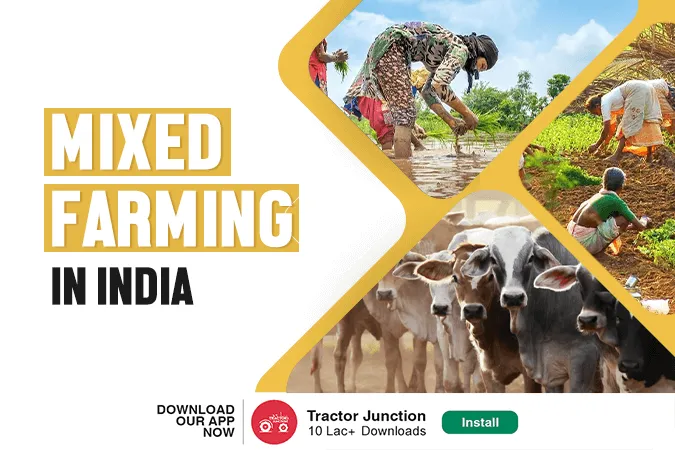
What is Mixed Farming?
Mixed farming is a type of farming where farmers grow crops and keep animals together on the same farm. This method helps them use their land better because leftover crop material can feed the animals, and animal manure can improve soil fertility. Also, it gives more than one source of food and income, reducing risks if one fails.
This type of farming can work all year because different crops and animals can be managed at the same time. For example, a farmer can grow rice and wheat while keeping cows or goats for milk and meat. This improves soil, provides more food, and helps small and medium farms earn steadily.
In this blog, you will get information about the types, characteristics, and benefits of mixed farming.
Types of Mixed Farming
1. Subsistence Farming
Subsistence Farming is a type of agriculture where farmers grow crops and raise animals mainly to feed their own families. It is usually practiced on small plots of land with limited resources. For example, a farmer may grow rice, vegetables, and keep goats to meet household needs. Since the focus is on self-sufficiency, little or no surplus is produced for sale in markets.
2. Shifting Agriculture
Shifting agriculture is a farming method where a piece of land is cleared and cultivated for a short period. After a few seasons, the land is left fallow, allowing natural vegetation to grow back. Meanwhile, the farmer moves to a new plot to continue farming. This cycle of cultivation and rest helps maintain soil fertility over time and is commonly practiced in forested or hilly regions.
3. Plantation Agriculture
Plantation Agriculture is a type of farming where a single crop is grown on a large scale throughout the year. This method requires a significant amount of labor and investment. The harvested crop may be processed on the farm itself or sent to nearby factories or small-scale industries for further production.
4. Intensive Farming
Intensive farming, also called intensive cultivation, focuses on producing high output from a small area of land. It involves both crops and livestock. You can use improved seeds, fertilizers, irrigation, and modern machinery to increase productivity. Furthermore, the method ensures maximum yield per unit of land while maintaining efficiency. It is especially suitable for areas with limited farmland but high demand for food and agricultural products.
5. Dry Agriculture
Dry agriculture, also called dryland farming, involves growing crops without irrigation, relying only on rainfall. It is practiced in regions with a short wet season followed by a long dry season, often prone to droughts and limited water availability. You can use special techniques like moisture conservation and drought-resistant crops to sustain production. For example, wheat, barley, and millet are commonly grown under dry agricultural conditions.
6. Mixed and Multiple Agriculture
Mixed & multiple agriculture involves growing two or more crops on the same land during a single growing season. When crops are grown simultaneously, it is called intercropping. This method helps improve soil fertility, reduces the risk of total crop failure, and ensures better use of water and nutrients. It also allows farmers to harvest different crops at different times, optimizing overall farm productivity.
7. Crop Rotation
Crop rotation is the practice of growing different crops on the same piece of land in a planned sequence over time. This method improves soil health, restores nutrients, and helps control weeds and pests. Short rotations may include a few crops, while more complex rotations can involve several crops over multiple seasons. By alternating crops, farmers can maintain soil fertility and increase overall farm productivity.
8. Terrace Cultivation
Terrace cultivation is a farming method in which flat steps or terraces are built along the slopes of hills or mountains. Crops are planted on each level, which helps prevent soil erosion and reduces water runoff during rain. This technique allows nutrients to remain in the soil and improves water retention, making it suitable for hilly regions and ensuring better crop growth and soil conservation.
Characteristics of Mixed Farming
Mixed farming helps farmers increase productivity and maintain soil health. Below are some key characteristics of this farming system:
- Crops and livestock are raised together, giving farmers multiple sources of food and income.
- The farm produces enough food for the family, while surplus can be sold in the market.
- Land, water, and other resources are used efficiently, reducing waste and improving output.
- The risk of total crop or livestock loss is lowered, as one sector can balance the other.
- Animal waste is recycled as natural fertilizer, enhancing soil fertility and crop growth.
- Farmers benefit from multiple income sources, ensuring a steadier and better livelihood.
Advantages & Disadvantages: Mixed Farming
Mixed farming comes with both benefits and drawbacks that impact productivity, income, and resource management. The key points are explained in the table below for easy understanding.

Where is Mixed Farming Practiced in India?
Mixed farming is commonly practiced in states like Odisha, Kerala, West Bengal, and Punjab. It allows farmers to use their land more efficiently and increase overall productivity. This system helps reduce the cost of production per unit area while also increasing income. Additionally, it lowers the risk of total crop or livestock loss, making farming more sustainable and better for small and medium farms.
Conclusion
Overall, Mixed farming is a farming method that supports long-term sustainability by encouraging diverse agricultural activities. It helps maintain soil health and supports sustainable farming by reducing dependency on a single crop or livestock, lowering overall farming risks. By balancing different agricultural activities, farmers can adapt to seasonal changes, manage resources wisely, and create a more stable and resilient livelihood over time.
Related Post
What is Animal Husbandry
Types of Farming in India
Certified Used Tractors

 Book Now


Top News
 October 26, 2026
New Delhi: India has achieved its target of generating 11 crore Farmer IDs across the
Read More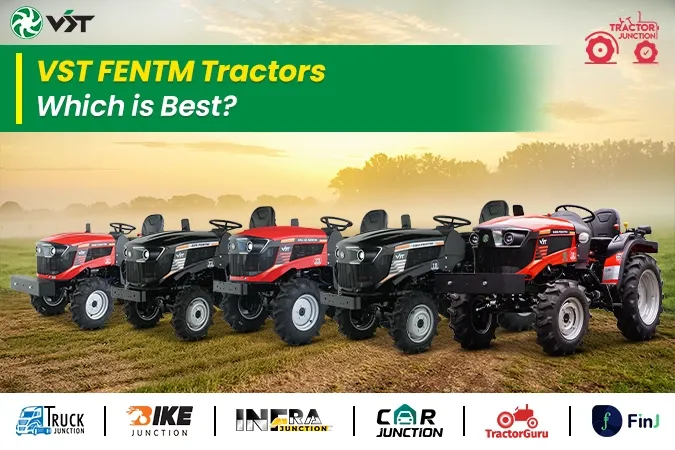 November 06, 2026
તમારા ખેતર માટે યોગ્ય મોડલ કેવી રીતે પસંદ કરવું? VST ટ્રેક્ટર ભારતીય ખેડૂતોની રોજિંદી જરૂરિયાતોને
Read More November 06, 2026
Indian farming conditions differ across regions, so farmers often prefer tractors that can handle both
Read More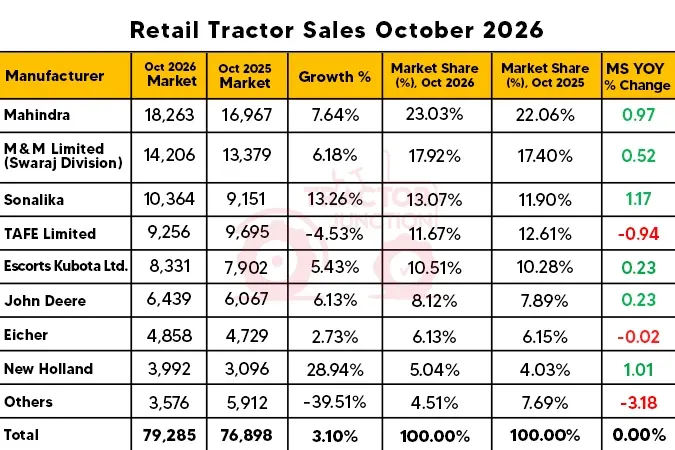 November 06, 2026
India's tractor retail market recorded 79,285 units in October 2026, compared with 76,898 units in
Read More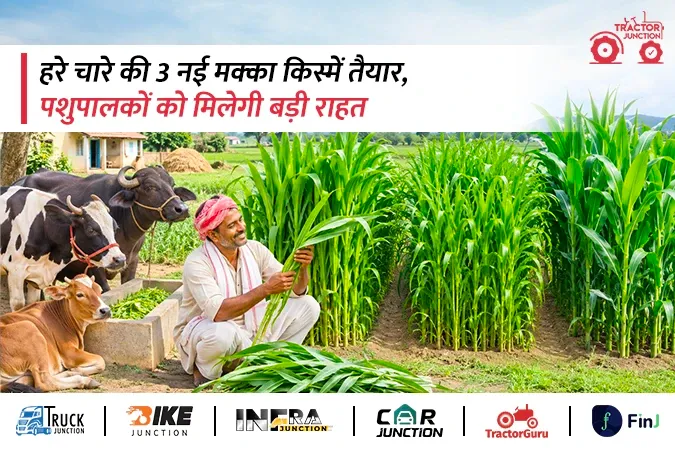 November 06, 2026
पशुओं के लिए पौष्टिक हरा चारा मिलेगा और पशुपालकों की घटेगी लागत, जानें कौन-सी हैं
Read More November 06, 2026
जानें काली, दोमट और रेतीली मिट्टी में खेती के लिए कौन-सा ट्रैक्टर हो सकता है
Read MoreIn Other News