Thinking of Buying a Used Tractor? Read These 10 Factors First!
 Published - 12 Apr 2025
by Tractor Junction

 Share
Social Share


For small-scale farmers, buying a second hand tractor in India can be a better alternative to purchasing a new one. But inspect it properly to ensure performance and durability. To get better efficiency, you have to examine some aspects such as the condition of the engine, transmission, hydraulic system, and maintenance. Further, researching the price of different models and comparing the specifications helps farmers in choosing the best option.
This blog will highlight some of the key factors to check when purchasing a used tractor.
10 Things to Check Before Buying a Used Tractor in India
Purchasing a second hand tractor involves careful examination to ensure that it is properly functioning and suitable for all farm purposes. Below are the ten most important factors to examine prior to purchase:
1. Overall Condition and Age of the Tractor

The first step is to see the age and condition of the tractor. The older model might still work well, but repeated usage for so many years might increase the risk of mechanical failure. The increased working time could result in parts that get continuously damaged.
A physical inspection can confirm whether the second hand tractor has an extended maintenance cycle. Rusty surfaces or dents could indicate weakness in the structure, and therefore, the body must be inspected for serious damage.
2. Engine Performance and Condition
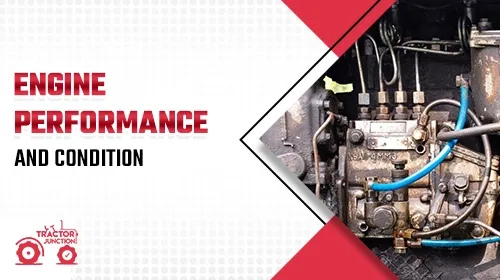
The engine of a tractor says a lot about its condition. A well-maintained engine will not start with hard cranking and will not make abnormal noises. While examining a second hand tractor, check for knocking, rattling, or excessive smoke output, as these indicate internal damage.
Also, ensure oil quality and coolant levels, as low-quality oil or leaks could be a sign of poor maintenance. Run the engine for a few minutes and see if it overheats or develops any other unusual problems.
3. Transmission and Clutch Operation
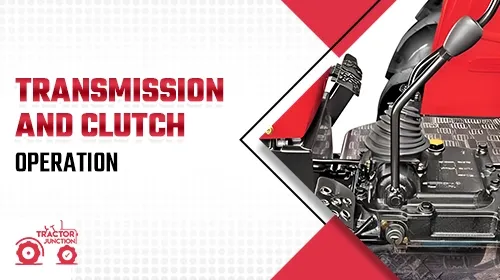
When purchasing a used tractor in India, one must check for leaks in transmission fluids, worn-out gears, and sluggish clutch engagement. If the transmission shakes while shifting, the second hand tractor may become hard to handle and might also indicate internal damage. Proper transmission operation thus becomes a factor that helps in preventing long-term performance problems.
4. Hydraulics and Lifting Capacity
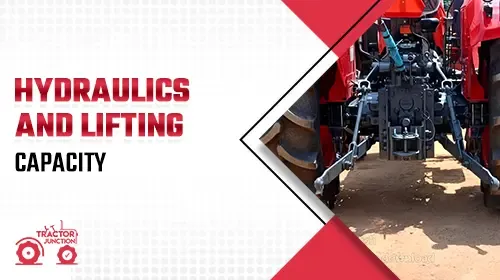
The hydraulic system helps the tractor lift and use different attachments. To check if it works properly, try raising and lowering the attachments. The hydraulic fluid should be at the right level, and there should be no cracks or leaks in the hoses or seals. If it faces trouble in lifting heavy loads, there might be a pressure problem that requires an expensive repair.
5. Tyres and Wheels Condition

The tyres are one of the most expensive parts to replace, so it’s important to check their condition. Old or damaged tyres can make the second hand tractor unsafe and harder to control. Always look for cracks, bulges, or uneven wear, as these can be signs of bigger problems with alignment or suspension.
To confirm the wheels are strong, check the rims for rust, cracks, or damage. Bad tyres can cause accidents and also consume more fuel, so it's important to check them before buying.
6. PTO (Power Take-Off) and Hitch System
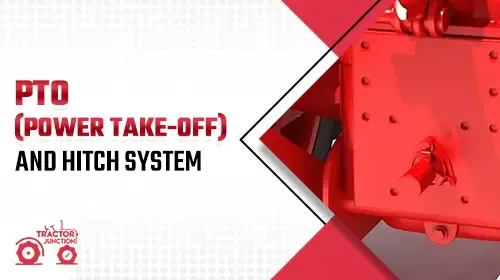
The PTO handles farming equipment such as harvesters, mowers, power seeders, and many more. If the PTO is not working properly, there are internal problems or misalignment. To check if it works well, turn it on and see if the movement is smooth or if there is too much shaking.
The hitch, which connects attachments to the tractor, should be strong and not have cracks, bends, or too much wear. Ensures that all parts of the second hand tractor are in good shape, as a weak hitch can easily break under heavy loads.
7. Braking System and Steering Mechanism
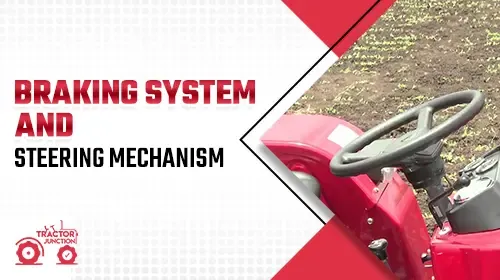
The brakes are very important for safety, but weak or slow brakes can be dangerous, especially on rough ground. Check both the foot and the parking brake to make sure they work properly.
Further, hydraulic brake leaks or low pressure may also indicate a malfunction. A used tractor with weak brakes or poor steering can be dangerous, especially on uneven or hilly surfaces.
8. Electrical System and Battery Health
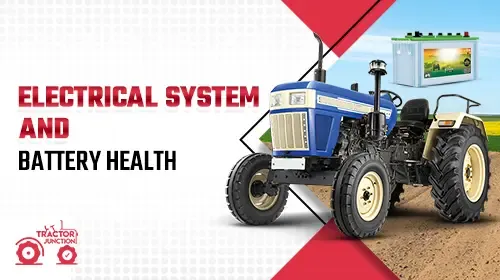
The electrical system assists in starting the tractor, powering the lights, and operating important electric components. A weak or dead battery might mean there are bigger electrical problems. When buying a second hand tractor, it’s important to check all lights, indicators, and gauges to make sure everything is working properly.
Wires should be clean and tightly connected because loose or rusty ones can cause failures. Also, make sure the alternator and starter work well, as these often fail in older models.
9. Service and Maintenance History
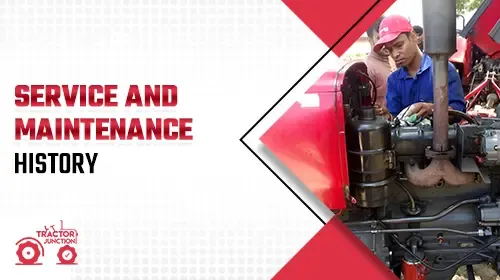
Regular maintenance implies that it is more likely to be in good condition. Asking for past maintenance records can assist in examining whether it was properly maintained or not. Look for any major repairs or recurring problems, as it can show possible issues.
If a tractor experiences frequent breakdowns or skipped servicing, it could have more breakdowns or mechanical failures in the future.
10. Price Comparison

Price comparison has to be done to obtain the best price. If the price of the second hand tractor is below market level, there might be some problems. Comparing the prices of similar models in the market makes you aware of the right value.
Buying from a good seller minimizes the risk of obtaining a broken tractor. Seek out items like warranty, after-sale service and extra accessories.
Conclusion
To summarize, when buying a used model, following the right tractor purchase tips is important to ensure reliability and performance. Checking important parts like the engine, transmission, hydraulics, tyres, and brakes can help you avoid expensive repairs and delays. Doing proper research before buying will help it run well for many years, prevent sudden breakdowns, and save you money over time.
Frequently Asked Questions Regarding Second Hand Tractors:
Q1. How do I identify an old tractor?
A1. The easiest way to identify any old tractor is through the serial number. It includes information like model, engine, transmission and production year.
Q2. Where is the serial number located in a tractor?
A2. The serial number is mentioned on the aluminium plate, located on the ride side of the tractor.
Q3. What are the features of a good tractor?
A3. A good feature of a tractor is its powerful engine, better lifting capacity, and affordable price.
Q4. What is the average life expectancy of a tractor?
A4. The average life span of a tractor is around 4,000 to 5,000 hours. However, with proper care, maintenance and less heavy work, they can last up to 10,000 hours.
Q5. Where can I purchase a second-hand tractor?
A5. To purchase a second-hand tractor, you can reach out to the authorised dealers in India or visit online platforms such as Tractor junction.
Certified Used Tractors
 Book Now



Top News
 November 12, 2026
Swaraj 855 FE 4WD and Mahindra Arjun Novo 605 DI-i 4WD are two well known
Read More November 14, 2026
Farming costs keep going up. Diesel, inputs and equipment all cost more every year. For
Read More November 01, 2026
Choosing the right tractor is one of the biggest decisions a farmer makes, because the
Read More October 30, 2026
Farming does not wait for machines that break down or feel hard to handle. You
Read More November 03, 2026
Choosing the right tractor depends on your farm size, daily workload, budget, and the implements
Read More November 28, 2026
45 HP और 55 HP की दमदार श्रेणी वाले दोनों ट्रैक्टरों में इंजन, गियरबॉक्स, हाइड्रोलिक
Read More November 28, 2026
जानिए प्रमुख मॉडल, उनकी कीमत और ट्रैक्टर जंक्शन से पुराना ट्रैक्टर खरीदने के फायदे खेती
Read More November 28, 2026
मुख्यमंत्री ने गन्ने का राज्य परामर्शित मूल्य (SAP) बढ़ाकर 431 रुपये प्रति क्विंटल करने का
Read More November 27, 2026
Nagpur, November 27, 2026: Mahindra Tractors, part of Mahindra's Farm Equipment Business, showed its Ethanol
Read More November 27, 2026
एक सप्ताह में गुलाब बाग मंडी में मक्का का भाव 130 रुपये प्रति क्विंटल टूटा,
Read MoreIn Other News